Today’s vehicles especially cars are super high-tech, with tons of cool digital features, sensors, and even self-driving capabilities. This makes fixing them a bit tricky for regular repair shops, so they’re turning to remote vehicle assistance. Car makers are using the internet to connect cars and give mechanics virtual tools to help them figure out problems better.
If you’re wondering how Augmented reality fits into fixing cars, it’s like using your phone to see virtual images and information overlaid on the real world. Mechanics can use AR to spot issues and get help fixing them, even if they’re far away. It’s like having a super smart virtual vehicle assistant right in your garage!
Remote Vehicle Assistance: What is it?
Remote vehicle assistance, also known as RVA, is a technology software that represents collaboration between artificial intelligence (AI) and human agents to provide required assistance to vehicles. Its a process where remote experts provide real-time assistance, including;
- Troubleshooting technical glitches
- Guidance on minor repairs
- Installing or changing vehicle parts
- Assisting drivers with complex diagnostics
- Offering remote support in critical situations
RVA allows vehicles to connect with service providers remotely. It enables real-time monitoring, diagnostics, and even troubleshooting of vehicle issues without the need for physical presence.
As cars become increasingly advanced with sophisticated digital features, sensors, and autonomous capabilities, traditional repair shops find themselves facing new challenges. Remote vehicle assistance steps in to bridge this gap by leveraging the power of the internet to connect vehicles with mechanics, allowing for virtual assistance and troubleshooting.
Imagine having access to a virtual mechanic right at your fingertips, able to guide you through repairs and maintenance tasks from anywhere in the world. With remote vehicle assistance, car owners and mechanics alike can tap into a wealth of knowledge and expertise, ensuring that vehicles receive the care they need, no matter the distance.
How Remote Vehicle Assistance Help Technicians Diagnose Issues?
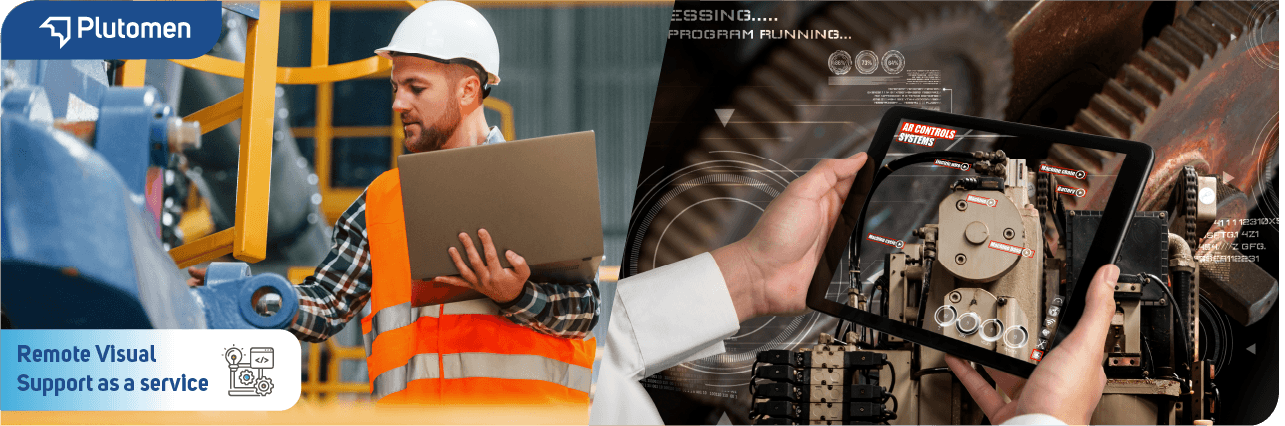
Using RVA, technicians can quickly assess their vehicle’s condition. Technicians can use AR glasses or rugged tablets to connect what they see with diagnostic software. This allows them to assess a system’s condition remotely. The AR device gathers vehicle data and sends it for remote analysis when the mechanic starts inspection.
Remote diagnostics ensure a vehicle system operates as designed. It also speeds up diagnostic assessment, helping mechanics finish repairs faster. This reduces potential downtime and cuts repair time, ultimately lowering costs.
Augmented Reality works really well here since it helps a manufacturer to use his phone to see virtual images and information overlaid on the real world. Likewise, mechanics can use AR to spot issues and get help fixing them, even if they’re far away. It’s like having a super smart virtual vehicle assistant right in their garage!
The Benefits of Using Augmented Reality for Remote Vehicle Assistance (ARVA)
Augmented reality (AR) is becoming super popular in the automotive world, changing how vehicles are made and fixed, from designing and testing to fixing problems and launching new models. By 2025, the global market for AR in cars is expected to reach almost $7 billion, growing at a fast pace of 17.6% each year.
Augmented Reality (AR) elevates RVA’s capabilities as it overlays digital information into the real world. The AR overlays create an interactive experience for the remote expert and the person needing assistance.
This integration of AR technology into RVA is another step forward in the automotive industry. It empowers individuals with effective communication, and it is effectuated by using the right hardware and software.
Hardware:
- You can use smart glasses or AR headsets and smartphones to connect the two components distantly placed.
Software:
- Dedicated augmented reality applications help connect the hardware on both ends, offering maintenance, navigation, and troubleshooting.
In addition to these, you can use remote assistance platforms enabled with live video streaming and interactive 3D models that overlay the required steps and information onto the physical medium. So, AR in RVA means access to information and knowledge for vehicle maintenance, roadside assistance, and driver or technician training.
RVA, when coupled with AR offers:
- Problem Visualization in Real Time
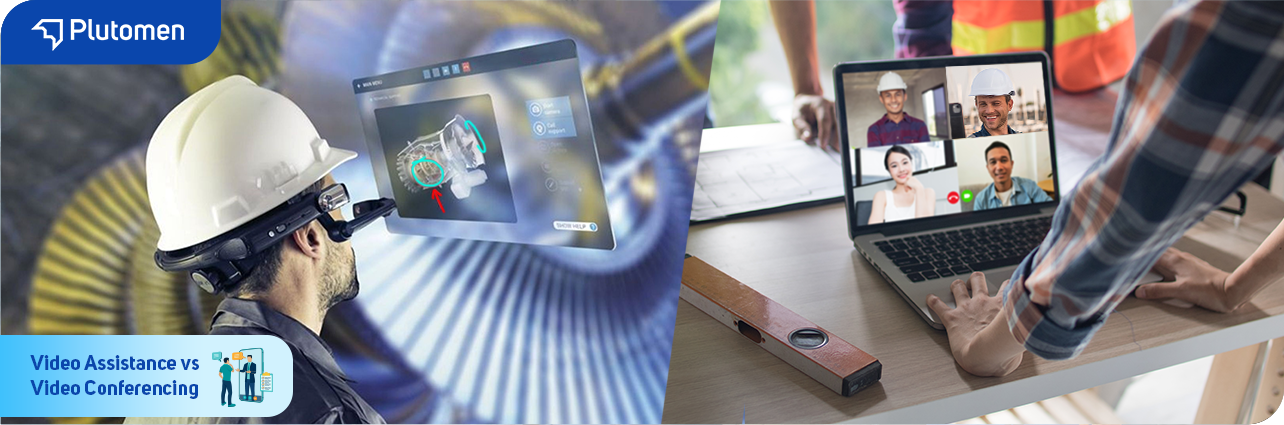
AR-enabled live video feed delivered from the vehicle or user camera allows the remote expert to see exactly what the on-site worker or individual sees. Using AR, it’s easier to highlight specific components and overlay instructions. The experts can provide step-by-step visual guides directly to the user’s field of view.
- Better Communication and Collaboration
RVA with AR, AI, and related technologies makes it easier to navigate the obstacles, allowing the users to resume their journeys swiftly. AR enables a more intuitive and interactive communication experience between the remote expert and the on-site individual. The live video feed and interactive overlays eliminate any ambiguity.
- Simplifying Complex Procedures
Reading an instructions manual is complex compared to getting step-by-step instructions from an expert who breaks down processes and shares information through visual aids. Moreover, it’s easier for an expert to share instructions with AR than to communicate the steps over the phone, especially when the user on the other end is less experienced.
- Training and Skill Development
One thing that never ceases to amaze me is the efficiency of training and skill development. Virtual simulations and hands-on AR experiences allow trainees to practice procedures in a risk-free environment. Not only trainees but even regular individuals with zero experience in automotive repairs and maintenance can use these lessons to improve.
The Benefits of Using Artificial Intelligence for Remote Vehicle Assistance (ARVA)
The continuous merger and implementation of AI with Machine Learning is going to make RVA better, simpler, and more efficient. With in-built AI systems, the vehicles can not only figure out the issue themselves, but also set a priority and categorize the resolution or information sharing according to improved passenger experience. Here are a few ways how AI will impact RVA:
Enhanced Diagnostics and Predictive Maintenance
Wouldn’t it be great to receive a notification on your phone about the degrading engine health or an indication to schedule the next service? ML algorithms constantly analyze sensor data from the vehicle to record parameters like:
- Engine performance
- Tire pressure
- Battery health
- Air pressure
- Suspension health
As it records these and many other parameters, these are shared with a centralized system, fed with ideal values of each parameter. From here, the AI system can identify the anomalies and early signs of issues enabling proactive and predictive maintenance.
AI Acting as Virtual Assistant
AI programs can become excellent virtual assistants to remote experts by helping them analyze vehicle issues through live videos. Computer vision algorithms employed can help pinpoint the issues within specific components and location of the problem, expediting the diagnosis process.
Furthermore, AI can access a vast knowledge base for repair procedures and suggest potential solutions. Vehicle owners and remote experts can generate step-by-step instructions customized to specific issues and vehicle models.
AI Delivering Personalized User Experience
Smart AI programs have the capability to learn from user’s past interactions and experiences to personalize the RVA. Taking into account a user’s technical knowledge and comfort level, AI-driven RVA programs can adjust the complexity of instructions provided according to the users.
AI-Enabled RVAs Learn Continuously
An important aspect of AI is its ability to learn on the go. Whether its a user’s driving habits to detecting issues, the AI programs collect information and use the same to refine their algorithms.
This online loop of learning ensures AI-based diagnostics and guidance is more clear, accurate, and detailed.
As we see the implementation of these aspects, wait for further developments where AI and AR provide highly specific instructions minimizing human intervention and revolutionizing vehicle maintenance.

Keyur B
CEO, Founder of PlutomenWith more than 12+ years of experience in the world of enterprises, technology, and metaverse, Keyur Bhalavat is leading Plutomen to gain meaningful partnerships & to have a strong clientele network. He is one of the board members of GESIA (Gujarat IT Association Ahmedabad).